
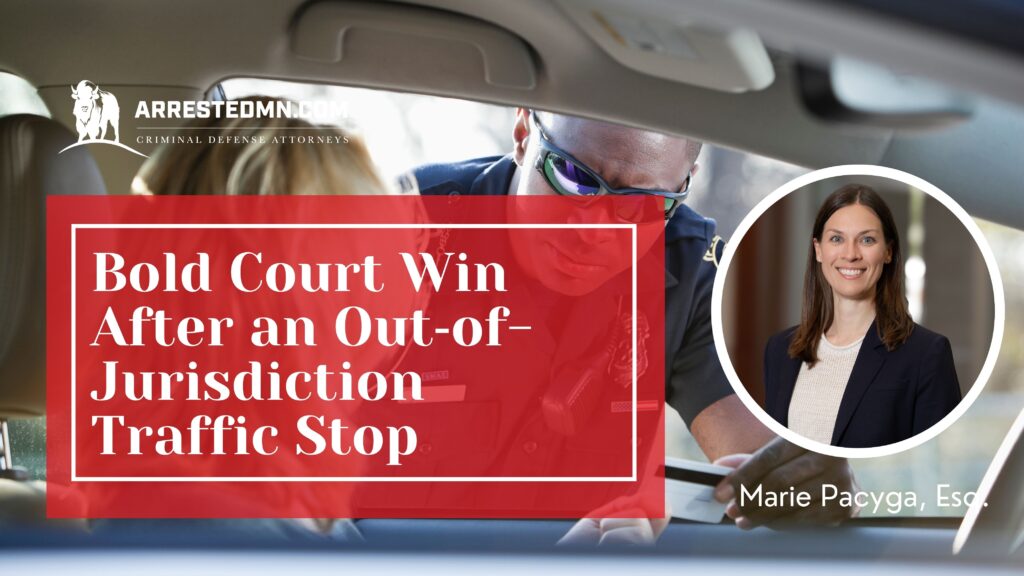
An Officer Left His Own City to Chase a Tip. A Judge Said That Wasn’t His Job.
Police can’t just follow a hunch across city lines — there are rules, and this officer broke them.
Here’s something most people don’t know: a police officer’s authority to arrest you is generally tied to the city or county that employs them. Cross that line, and the rules change.
The Myth: “Cops Can Chase Anyone, Anywhere”;
Not true. An officer can follow someone out of their own jurisdiction only in specific situations — usually when they witnessed a crime happening in their own town first, or when they’re helping another agency that asked for backup, and generally when they’re acting within their scope of employment.
What Went Wrong Here
In a recent case, an officer got a vague tip about a car that might be driven by someone unsafe.
No violation. No crime. Just a maybe.
This officer never saw the car in his own city. Instead, he drove — fast, and outside his lane at times — into a neighboring city to go find it. When he caught up, he pulled the driver over there.
Why That Mattered
The court looked at Minnesota law on out-of-jurisdiction arrests and found that this officer didn’t fit any of the exceptions. He wasn’t chasing a car he’d already seen commit a crime. He wasn’2t backing up another department. He left his own city specifically to go hunt for a vehicle based on nothing more than that tip, which had not even provided enough facts to establish a crime
had occurred.
The judge’s conclusion: this was outside the officer’s job entirely, and that mattered to the outcome of the case.
Why This Matters to You
If you’ve been pulled over by an officer outside the town or county that employs them, that detail alone can be worth examining. It’s not a technicality — it’s a real legal boundary on statutory police power.
If something about your stop felt off, don’t guess. Call Marie Pacyga at Pacyga Trial Lawyers at 612-339-5844 and let us look at it.
This post is for general informational purposes only and does not constitute legal advice. Every case is different. Contact an attorney to discuss your specific situation.